
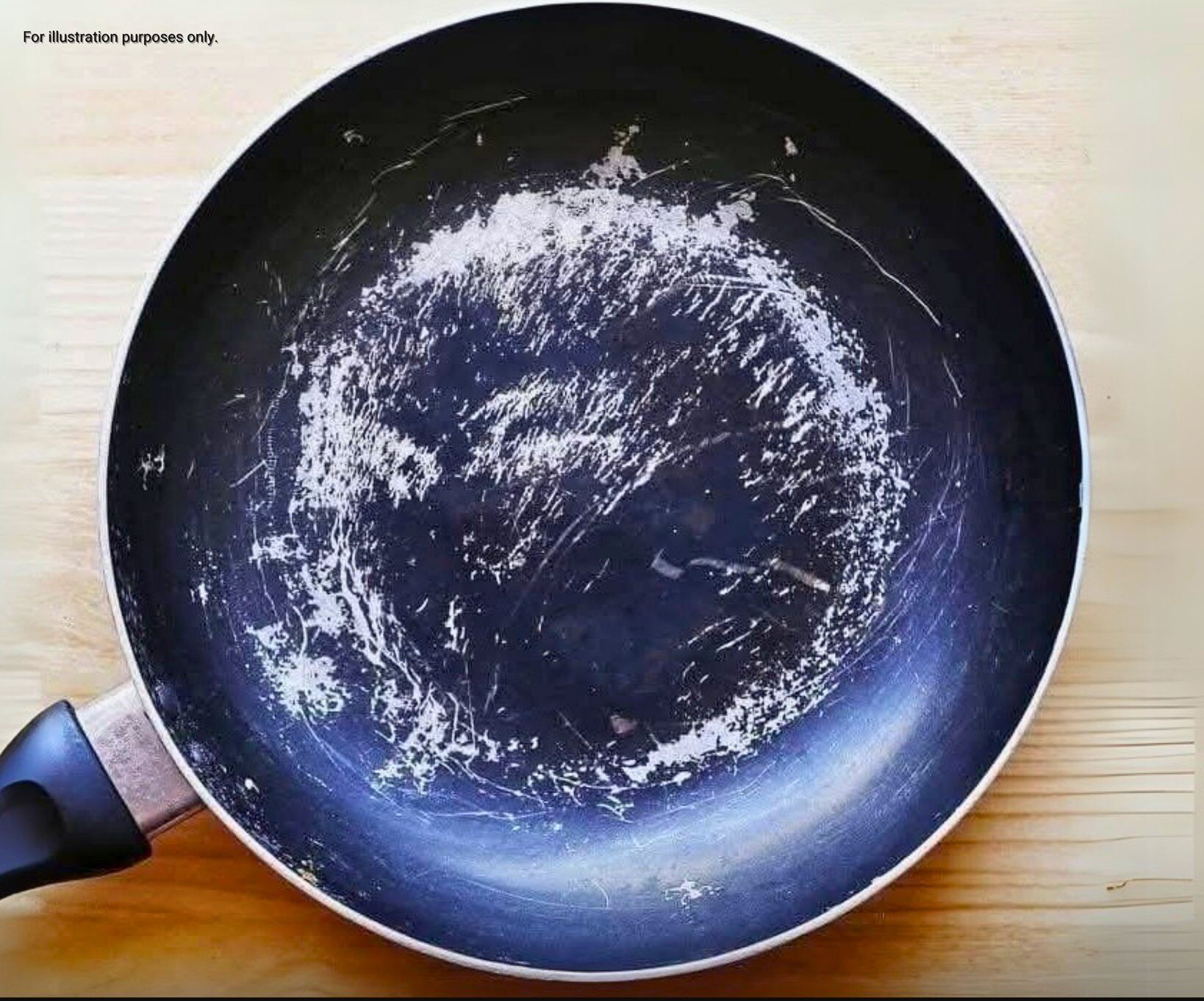
can release up to 9,100 microplastic particles.
Even more alarmingly, extensive damage could release up to 2.3 million particles during typical cooking. The particles are primarily polytetrafluoroethylene (PTFE)—a PFAS compound—which raises additional health concerns.
What Are Microplastics—and Why Do They Matter?
Microplastics can be either:
- Primary: Intentionally made small (like microbeads)
- Secondary: Created by the breakdown of larger plastics
They’ve been detected in:
- Seafood and drinking water
- Household dust
- Even human lungs and blood
Health risks include inflammation, hormonal disruption, and potential links to c.an=cer—particularly for microplastics containing PFAS, known as “forever chemicals.”




Comments